
Ear health can have a direct effect on everyday communication, concentration, comfort, and quality of life. When excessive ear wax causes blocked ears, muffled hearing, pressure, or discomfort, professional assessment can help identify the underlying problem. For people searching for microsuction London, understanding how the procedure works, when it may be appropriate, and what to expect can make the decision easier. Microsuction is a controlled ear-cleaning technique performed under direct visual guidance, allowing a trained clinician to assess the ear canal before deciding whether wax removal is appropriate.
In This Article
- What is microsuction ear wax removal?
- Why does ear wax sometimes become a problem?
- What happens during a microsuction appointment?
- Does microsuction hurt?
- How long does the procedure take?
- Is microsuction suitable for everyone?
- Why is direct visualisation important?
- What are the advantages of avoiding water-based ear cleaning?
- Can blocked ears always be caused by wax?
- Is microsuction useful for people who wear hearing aids?
- Can children receive professional ear wax treatment?
- What should people avoid before professional ear cleaning?
- What symptoms suggest that professional assessment may be useful?
- How can patients prepare for a microsuction appointment?
- Why choose a mobile ear care service?
- What should patients expect after treatment?
- What does professional ear care involve beyond wax removal?
What is microsuction ear wax removal?
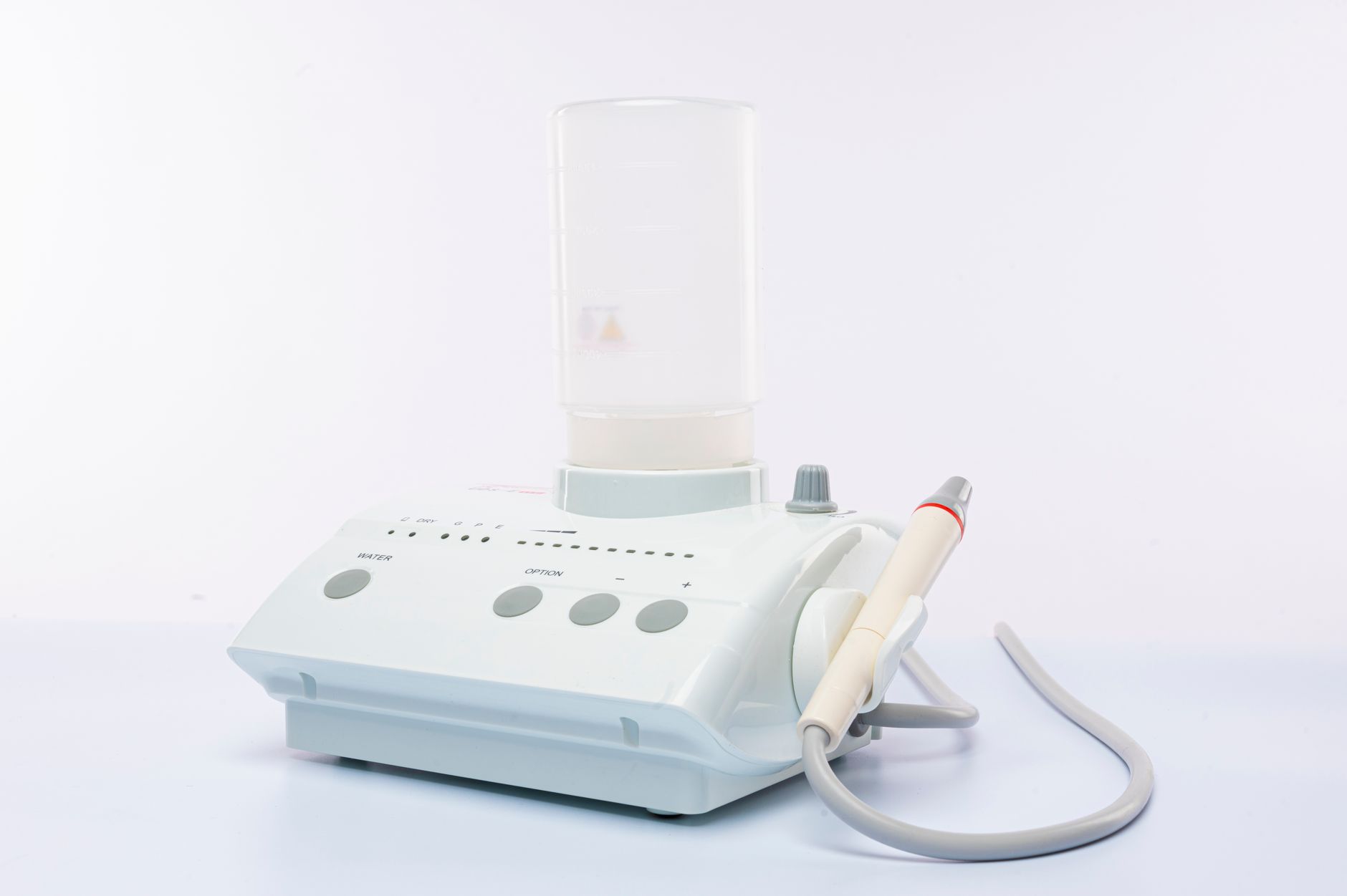
Microsuction is a clinical technique used to remove ear wax from the ear canal with a small suction device while the clinician views the area through magnification. The term combines the concepts of microscopic examination and suction.
Unlike methods that introduce water into the ear canal, microsuction is performed without high-pressure irrigation. This makes the technique particularly useful when direct visibility and controlled removal are important.
A professional appointment normally begins with an assessment rather than immediately proceeding to treatment. The clinician considers the patient’s symptoms, medical history, and the condition of the ear before deciding whether microsuction is suitable.
Why does ear wax sometimes become a problem?
Ear wax is a natural substance produced by the ear and normally provides protection for the ear canal. It can trap dust and particles while helping maintain the skin’s natural condition.
Problems can occur when wax accumulates, becomes compacted, or does not naturally move out of the ear. Some people may be more prone to recurring build-up because of the structure of their ear canals, hearing-aid use, frequent use of in-ear devices, or attempts to clean the ears with cotton buds.
Excessive wax may produce symptoms such as reduced hearing, a blocked sensation, ringing, discomfort, or changes in the way sounds are perceived.
What happens during a microsuction appointment?
A professional appointment generally follows several important stages. The first stage is a discussion about symptoms and relevant ear-health history. This helps the clinician understand what has prompted the appointment.
The ears are then examined using appropriate visual equipment. Examination is important because symptoms associated with wax can sometimes have other causes.
If wax is present and treatment is considered appropriate, the clinician can carefully remove it using microsuction. The process is performed under direct vision, allowing the clinician to work within the small space of the ear canal with greater control.
After treatment, the clinician can provide relevant aftercare advice and explain whether further assessment is required.
Does microsuction hurt?
Many patients tolerate microsuction well, although the experience can vary depending on the condition of the ear and the amount or position of the wax.
Some people describe the sensation as unusual rather than painful. A gentle pulling or suction sensation may be noticeable while the wax is being removed. The sound produced by the suction equipment can also seem loud because the procedure takes place close to the eardrum.
If a patient experiences significant discomfort during treatment, the clinician should be informed immediately. Professional ear care involves monitoring the patient throughout the procedure rather than treating ear wax removal as a routine mechanical task.
How long does the procedure take?
The duration depends on the condition of the ear, the amount of wax present, and whether additional assessment is required. A straightforward procedure can often be completed during a relatively short appointment.
The clinical process should not be judged solely by speed. Proper examination, patient communication, careful removal, and aftercare are all important parts of safe ear care.
A professional provider should prioritise appropriate treatment over rushing to complete an appointment.
Is microsuction suitable for everyone?
Microsuction can be appropriate for many people with problematic ear wax, but it should not automatically be assumed to be suitable in every situation.
A clinician needs to examine the ear and consider relevant circumstances before treatment. Previous ear surgery, active ear problems, significant pain, discharge, suspected injury, or unexplained hearing changes may require additional medical consideration.
This is why professional assessment is an important part of the process. Ear symptoms should not automatically be attributed to wax without examination.
Why is direct visualisation important?
The ear canal is a narrow and sensitive structure. Working without adequate visibility can make it more difficult to identify the exact position of wax and surrounding structures.
Microsuction uses magnification so that the clinician can see the ear canal during the procedure. This provides an important level of control when removing material from a confined area.
Direct visualisation can also help the clinician recognise when a symptom may require further investigation instead of simply proceeding with wax removal.
What are the advantages of avoiding water-based ear cleaning?
Traditional irrigation involves introducing water into the ear canal to help remove wax. Microsuction does not depend on high-pressure liquid entering the ear.
This can be useful for patients where avoiding water is desirable. It also allows the clinician to see the ear canal throughout the process.
However, the most appropriate method depends on individual circumstances. A qualified professional should determine whether microsuction is suitable after examining the ear.
Can blocked ears always be caused by wax?
No. Blocked hearing can have several possible causes. Wax is one common explanation, but it is not the only one.
Ear infections, inflammation, foreign objects, changes affecting the middle ear, and other conditions may produce similar sensations. Sudden or unexplained hearing changes should receive appropriate medical attention rather than being automatically treated as wax.
This distinction highlights why professional examination matters. Removing wax when wax is not the underlying cause may not resolve the symptoms.
Is microsuction useful for people who wear hearing aids?
People who use hearing aids may experience recurring wax-related problems because ear devices can influence the movement of wax within the canal.
When wax becomes excessive, it may affect hearing-aid performance or contribute to blocked sensations. Professional assessment can establish whether wax is responsible and whether removal is appropriate.
Regular ear-health monitoring can be particularly useful for people who experience recurring difficulties.
Can children receive professional ear wax treatment?
Children require a careful and age-appropriate approach to ear examination and treatment. They may find ear procedures unfamiliar or intimidating, so communication and patience are important.
A specialist provider may adapt the appointment to the child’s needs and allow additional time where necessary. The clinician should first establish whether wax is actually causing the symptoms and whether removal is appropriate.
Parents and carers should avoid attempting deep ear cleaning at home, particularly when a child is experiencing pain, reduced hearing, or discomfort.
What should people avoid before professional ear cleaning?
People should avoid inserting cotton buds, hairpins, keys, or other objects into the ear canal. Such actions can push wax deeper and may irritate or injure delicate skin.
Ear candles should also not be considered a substitute for professional assessment. Home remedies can create additional problems when the cause of symptoms has not been identified.
The safest approach is generally to leave the ear canal undisturbed and seek professional guidance when symptoms develop.
What symptoms suggest that professional assessment may be useful?
Common symptoms associated with problematic wax include muffled hearing, a blocked or full sensation, ringing sounds, and discomfort. Some people may notice that voices or environmental sounds seem less clear.
However, severe pain, discharge, sudden hearing loss, significant dizziness, or symptoms following an injury should not simply be assumed to result from wax. These situations may require prompt medical assessment.
Understanding the difference between routine wax-related symptoms and potentially significant ear problems is an important part of responsible ear care.
How can patients prepare for a microsuction appointment?
Patients can make an appointment more useful by being prepared to explain their symptoms clearly. It can help to mention when the problem started, whether it affects one or both ears, whether hearing has changed, and whether there has been pain or discharge.
Patients should also mention relevant ear-health history, including previous procedures or recurring problems.
The goal of preparation is not to diagnose the condition personally. Instead, accurate information helps the clinician build a clearer picture before examination.
Why choose a mobile ear care service?
A mobile model can make professional ear care more convenient because the clinician travels to the patient rather than requiring the patient to visit a fixed clinic. Auris Ear Care describes its service as a mobile ear-care clinic operating across London, with appointments available at suitable locations such as homes, offices, hotels, and care settings.
This approach can be particularly practical for people with demanding schedules, mobility limitations, older adults, travellers, or anyone who finds conventional clinic visits difficult.
What should patients expect after treatment?
Following successful wax removal, some patients may notice that sounds seem clearer because the physical blockage has been addressed. The sensation can be striking when hearing has been muffled for some time.
The clinician may also provide aftercare guidance based on the condition of the ear. Patients should follow this advice and seek further assessment if symptoms persist or return unexpectedly.
What does professional ear care involve beyond wax removal?
Professional ear care is broader than simply removing visible wax. It involves listening to the patient, examining the ears, recognising symptoms that may have another cause, performing treatment carefully, and providing appropriate aftercare.
Auris Ear Care states that its London service is mobile and CQC regulated, with treatment delivered by ENT doctors.
For anyone experiencing persistent blocked ears or hearing changes, the most valuable step is not simply finding a method of cleaning the ear. It is ensuring that the cause of the symptoms is properly considered. Microsuction can be an effective professional option when ear wax is identified as the problem and treatment is clinically appropriate.
The Short Version
- Excessive ear wax can lead to symptoms such as reduced hearing, discomfort, and a blocked sensation.
- Microsuction is a controlled ear-cleaning technique performed under direct visual guidance using a small suction device.
- A thorough assessment of the patient’s symptoms and ear health history is necessary before deciding if microsuction is suitable.
- Microsuction does not involve high-pressure irrigation, making it a preferred method for certain patients.
- Direct visualization during microsuction allows clinicians to accurately identify wax location and any other potential ear issues.
- Microsuction may not be appropriate for everyone and is contingent upon a professional examination of the ear.