
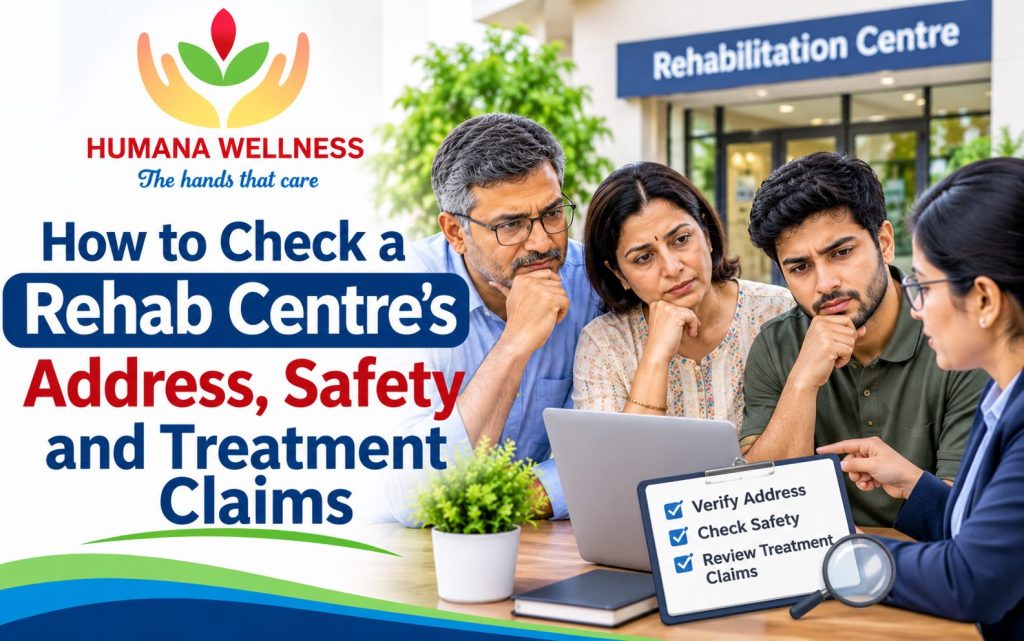
A centre’s website can tell you what it offers. It cannot tell you everything you need to know. When a family is anxious about substance use, a confident sales conversation may be tempting to accept at face value. A safer approach is to verify ordinary details one by one, particularly before paying for a residential programme.
The address is a sensible place to start. It should match the facility you are being asked to visit and the service described to you. A business may work with people from across Delhi NCR while operating its residential property in Gurugram. That is not a problem when the distinction is clear. It becomes a problem if the family believes they are booking admission at one place and is later directed somewhere else.
Establish who is responsible for care
A search for rehab centres in delhi will return a mixture of centres, directories and general information pages. Do not assume the first result is a medical facility. Ask for the full operating address, the legal name of the service, its registration or permissions as applicable, and the names and roles of the professionals responsible for assessment and treatment.
Where credentials are presented, ask for details that can be independently checked with the relevant professional body. A job title alone may not establish whether somebody can make medical diagnoses or prescribe medicines. A counsellor, psychologist, nurse and physician each have different responsibilities. An honest centre should be comfortable explaining these distinctions.
Ask whether overnight medical cover is available on site and what arrangements exist with an outside hospital. A centre may provide valuable counselling without being equipped to manage dangerous withdrawal. That limitation should be explained before a person arrives with urgent symptoms.
Make an ordinary visit useful
During an arranged visit, look past the reception area. Ask to see the spaces prospective residents would normally use, subject to current patients’ privacy. Clean toilets, safe sleeping arrangements, accessible drinking water and a place for private consultation matter more than expensive furniture.
Find out how medicines are secured, recorded and administered. Ask what happens when a patient feels physically unwell in the night. Ask how staff respond to disagreements or distress. A policy against violence, humiliation and degrading treatment should be more than a sentence in a brochure.
If a facility cannot allow an immediate tour because residents need privacy, that can be reasonable. The team should still offer another way to answer safety questions, explain admission procedures and show relevant shared areas at an appropriate time. No family should have to choose between respecting patient privacy and learning about basic safeguards.
Ask for the paperwork in advance
Before paying, request a written breakdown of the programme and the terms of admission. The document should make the costs understandable: initial assessment, accommodation, meals, counselling, medicines, laboratory tests, external consultations and ambulance or hospital transfers, where applicable. Check whether a quoted price changes if the person needs longer care.
Also read the rules concerning personal belongings, visiting, phone use, leave, complaints and discharge. Ask when a patient can access their records and how their information is protected. If a centre uses photographs or testimonials in marketing, ask what consent process it follows. A person seeking help should not be turned into promotional material without informed permission.
A request for immediate payment should not prevent you from reading the terms. If a person needs emergency medical treatment, however, safety comes first; seek an appropriate hospital assessment rather than waiting to compare commercial packages.
Verify the property, not only the business name
The centre’s published address is 1595, Huda Colony, Sector 46, Gurugram, Haryana 122003. Before a visit, compare that address with the one given during the appointment call. Confirm whether the meeting and any proposed admission will take place at the same property. Map entries can change or contain outdated photographs, so direct confirmation is worthwhile.
The route matters to relatives as well. Ask about access from the main road, the most practical drop-off point and whether appointments are available at times when family members can travel. Do not assume a nearby locality on a digital map means a short journey in Delhi NCR traffic.
If you are comparing centres, keep a simple record of answers rather than relying on memory. Note the date of the conversation and who answered clinical questions. This makes it easier to spot differences between the brochure, the website and what is offered during a visit.
Separate treatment evidence from marketing claims
Words such as ‘complete cure’ and ‘guaranteed recovery’ should make a family cautious. Substance use disorders can involve changes in health, behaviour and social circumstances. Treatment may include medical care, psychological support, family work and long-term follow-up; needs differ from person to person. Even a well-planned programme cannot guarantee that no one will experience a setback.
The World Health Organization and the United Nations Office on Drugs and Crime describe ethical drug-use treatment as evidence-informed care that respects informed consent, confidentiality and dignity. These are practical standards for asking questions, not merely professional ideals. A centre should be able to explain its approach without threats, pressure or promises that sound too good to be true.
If the facility claims to offer every form of treatment under one roof, ask what that means in practice. Are laboratory tests conducted there or elsewhere? Who manages prescriptions? Which conditions require referral? Clear boundaries often indicate a more responsible understanding of healthcare.
Leave with enough information to decide
A visit has gone well when you can describe the proposed assessment, level of care, responsible professionals, costs and next steps in ordinary language. You should also know what happens if the programme is not suitable for the person after evaluation.
Taking a day to consider a non-urgent decision is sensible. Bring your written questions to a second conversation if needed. A rehabilitation facility is not simply a place to stay for several weeks. It is a setting in which vulnerable people may receive healthcare and personal support, and the details deserve careful checking.